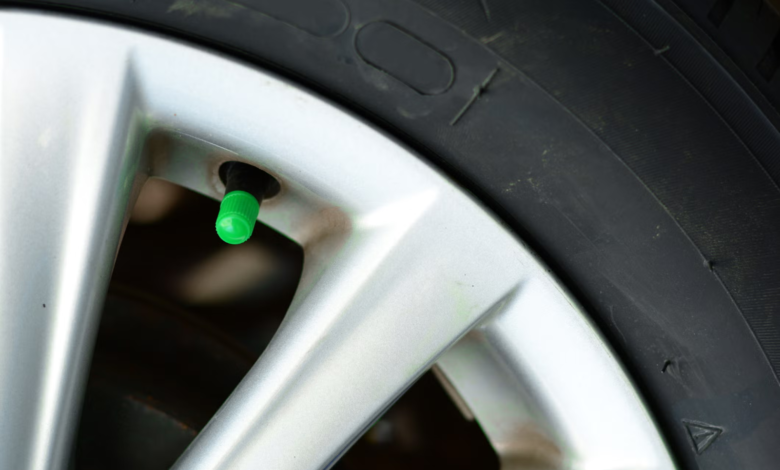
Maintaining the right tire pressure is essential for vehicle safety, fuel efficiency, and the overall lifespan of tires. Over time, tires naturally lose air due to various factors such as temperature changes, road conditions, and normal wear and tear. Traditionally, air compressors filled tires with regular air, which contains a significant amount of moisture and oxygen. However, many vehicle owners and fleet managers are now turning to nitrogen compressors for tires to improve tire performance and pressure maintenance. Nitrogen compressors help tires retain optimal pressure longer, providing several benefits for both personal vehicles and commercial fleets.
What is a Nitrogen Compressor for Tires?
A nitrogen compressor for tires is a specialized device designed to fill tires with nitrogen gas instead of regular air. Unlike normal air, which is approximately 78% nitrogen and 21% oxygen, pure nitrogen used in tires contains very little oxygen and moisture. This difference is important because oxygen and water vapor can lead to faster pressure loss and contribute to corrosion inside the tire and on the wheel rims. By using a nitrogen compressor, tires can maintain a more stable pressure over time, improving safety, efficiency, and performance.
How Nitrogen Helps Maintain Tire Pressure
Nitrogen molecules are larger than oxygen molecules, which makes it harder for them to escape through the tire’s rubber. This slower leakage rate means that tires filled with nitrogen hold pressure longer than those filled with regular air. Additionally, nitrogen is dry, so it does not introduce moisture into the tire. Moisture inside a tire can cause pressure fluctuations due to temperature changes and increase the risk of internal corrosion. With nitrogen, tire pressure remains more consistent, even under varying driving conditions.
Benefits of Using Nitrogen Compressors for Tires
Using a nitrogen compressor for tires offers multiple advantages beyond just maintaining pressure. Consistent tire pressure improves fuel efficiency, as underinflated tires require more energy to move the vehicle. It also enhances tire life by reducing uneven wear caused by fluctuating pressures. For drivers, stable tire pressure translates to better handling, smoother rides, and improved safety. Additionally, commercial fleets benefit from reduced maintenance costs and fewer roadside emergencies, as tires filled with nitrogen are less prone to sudden pressure drops or blowouts.
Nitrogen vs. Regular Air for Tire Inflation
While regular air is convenient and readily available, it contains oxygen and water vapor, which can negatively affect tire performance over time. Oxygen can seep through the tire walls more quickly than nitrogen, leading to faster pressure loss. Moisture in the air expands and contracts with temperature changes, causing pressure fluctuations. Nitrogen, when delivered by a nitrogen compressor for tires, minimizes these issues. Although filling tires with nitrogen may be slightly more expensive than using regular air, the long-term benefits in safety, tire longevity, and fuel efficiency make it a worthwhile investment.
Practical Applications in Daily Driving and Commercial Use
For everyday drivers, nitrogen compressors provide a reliable way to keep tires properly inflated without frequent monitoring. Even occasional trips benefit from tires that maintain stable pressure, especially in regions with extreme temperature variations. In commercial use, such as trucking and delivery services, nitrogen compressors are particularly valuable. Maintaining consistent tire pressure in large fleets reduces downtime, extends tire life, and lowers fuel consumption. In industries where vehicle performance is critical, nitrogen-filled tires offer a dependable solution that protects both vehicles and drivers.
See also: Kitchen Tech on a Budget: Best Low-Cost Software for Home Cooks
Maintenance and Best Practices
To get the most out of a nitrogen compressor for tires, proper maintenance and usage are essential. Tires should be checked regularly, even if they are filled with nitrogen, to ensure optimal pressure. It is also important to use a high-quality nitrogen compressor and follow manufacturer instructions for filling. While nitrogen slows down pressure loss, it does not eliminate it completely. Combining nitrogen inflation with routine tire inspections and pressure checks ensures maximum safety, performance, and cost-effectiveness.
Conclusion
Nitrogen compressors for tires provide a practical and effective way to maintain optimal tire pressure for longer periods. By reducing pressure fluctuations, minimizing moisture, and slowing gas leakage, nitrogen improves tire performance, safety, and longevity. Whether for personal vehicles or commercial fleets, investing in a nitrogen compressor for tires offers long-term benefits, including better fuel efficiency, reduced maintenance costs, and enhanced driving experience. Maintaining proper tire pressure has never been easier, and nitrogen technology is helping drivers achieve consistent and reliable results.